
26th April 2026
Gwalia United football will be playing their football in Tier 4 of the FAWNL next season, having been relegated on the final day of the season in one of the most bizarre and unexpected outcomes the league would have seen coming.
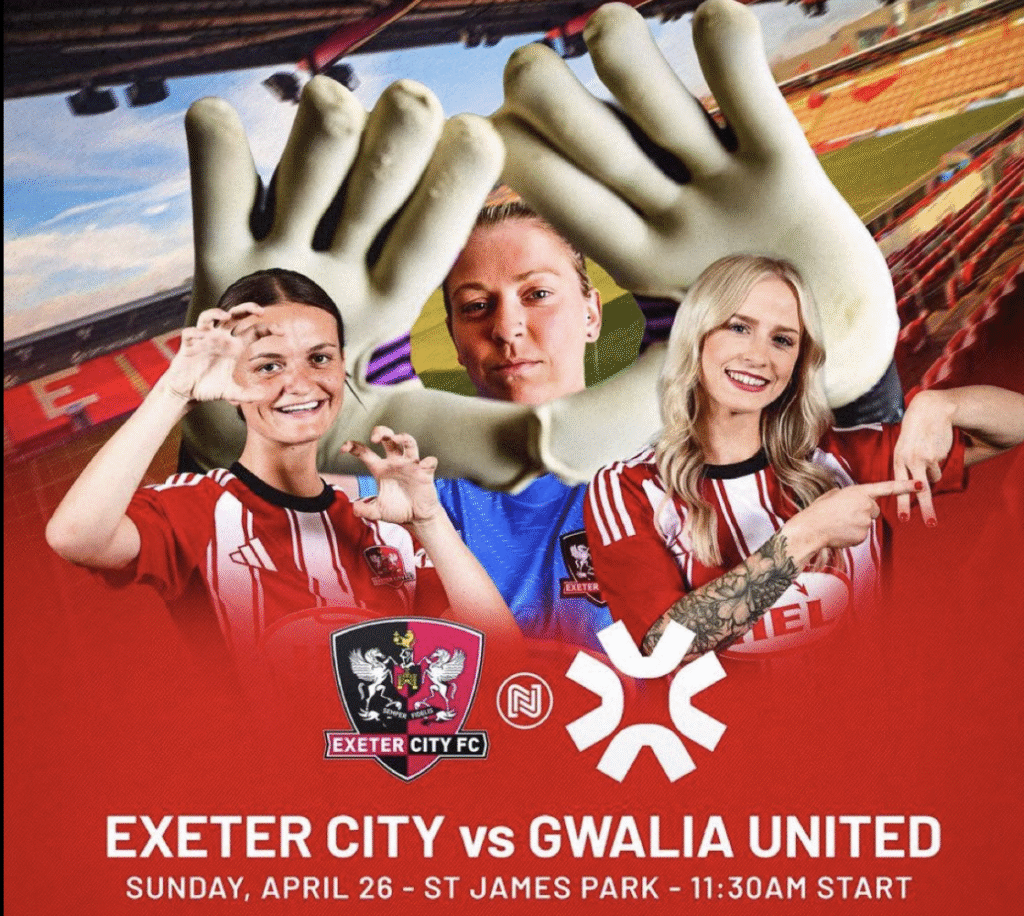
On the final day, Gwalia travelled to Exeter City with everything still to play for in a way that felt slightly implausible even as it was happening. Five teams – Gwalia, Cheltenham Town, Hashtag United, AFC Wimbledon and Billericay Town – all went into the final 90 minutes with survival and relegation still entirely up in the air. Five teams whose entire season performances and positions could not be separated by a total of 120 games at that point. Gwalia United had not lost a single game to any of the other competing teams over the course of the season (two draws with Cheltenham; a win and draw against Hashtag, two wins against AFC Wimbledon and two wins against Billericay Town), yet one swing of a result on the final day and the entire bottom half of the table shifted.
Had Gwalia won, they would have finished as high as eighth. Mid-table. Safe. The kind of finish that allows everyone to exhale and immediately forget the details. Instead, they ended up on the wrong side of a division where the distance between “fine” and “relegated” turned out to be one game. And then came the accounting exercise.
By full time, Gwalia and AFC Wimbledon could not be separated on points. Nor wins. Nor goal difference. It was the kind of statistical dead heat that feels almost contrived; two teams finishing the season like mirrored versions of each other. So it went to goals scored.
Not head-to-head, where Gwalia had beaten Wimbledon 1–0 away and 5–0 at home, for what that was worth. Just goals scored across 22 matches, 132 fixtures in the division, and roughly 11,800 minutes of football. And on that metric, AFC Wimbledon were ahead. By one goal.
One goal across an entire season. One goal across a campaign so finely balanced it almost felt like it needed checking twice. One goal that ultimately separated survival from relegation. Most football, of course, deals in results, and relegation is relegation, however it arrives.
But at Gwalia United, the story of the club has always been a little more layered than the table alone. That does not mean there is any attempt to dress this up as anything other than disappointment; there isn’t. Gwalia would rather still be in Tier Three. That part is obvious. What sits underneath it, though, is a longer-term idea about what a football club is actually trying to build. Not just a team for a season, but an environment that holds together across seasons — through outcomes, setbacks, and the slightly arbitrary ways football sometimes chooses to separate sides.
Where Women’s Football is in 2026.
Clubs in women’s football often move quickly between ambition and volatility. Resources appear and disappear almost as fast as results. Over the last four years, clubs, whether standalone women or ones with strong affiliations to men’s sides have repeatedly “handed in the keys” in different forms, backing big recruitment drives one season, only to recalibrate or withdraw support the next. Gwalia have tried to resist that rhythm, and one could argue maybe sustainability and financial prudence isn’t always rewarded.
One team almost got relegated April 2025, recruited heavily for promotion this season, and then ultimately decided to recalibrate their finances and reduced contract offers to players ahead of the coming season. Another team were, merely days ago, reported to be on the brink of leaving WSL2 with all the knock-on effects that would bring. Previously; Blackburn Rovers, Reading, MK Dons, all in different ways examples of the same broader pattern. In a sport where, on average, over the last four years, two teams per season spend and follow boom and bust, teams still pull resources away once success isn’t instantly achieved. It is a warning sign that still isn’t heeded.
Gwalia however is for the long term. And because of which, it resembles the infrastructure of a professional organisation, or even a tech start up. And that is entirely by design.
And why that is, won’t surprise you when you learn why.
Gwalia’s Owners
Owners Julian Jenkins and Damien Singh bought Gwalia United, just shy of its fiftieth year and a club steeped in history and excellence in developing players, asking one simple question: how do we create something even more special? It is a question both men understand intimately. Jenkins has spent his career operating inside the Premier League, Singh helped create and scale a billion-dollar technology platform. Different industries, but with the same vision:
- Elite organisations don’t happen by accident. They are designed and they take time.
So rather than just beginning with the squad, Gwalia United began by building the environment around the squad. An environment where every decision exists for one reason: to make players better.
The club’s induction document to its players describes the ambition simply: to create a performance environment that mirrors professional football as closely as possible despite operating within a semi-professional model, with the objective of producing players capable of progressing into the Women’s Super League and international football. That philosophy has already attracted recognition, where Gwalia achieved a 100% FA Women’s National League Minimum Standards Audit, one of only a number of clubs nationally to achieve full compliance across training provision, staffing, facilities, governance and player support systems.
Data Insight
The club has invested in Hudl, Wyscout and Once Sport, giving coaches access to player benchmarking, opposition scouting, recruitment profiling and elite-level performance analysis. Gwalia’s Wyscout package mirrors investment normally associated with Premier League and Women’s Super League organisations, supported by a full-club analysis partnership with Once Sport. For players, that means every game becomes another opportunity to learn. For coaches, it means every decision becomes evidence-led.
Facilities
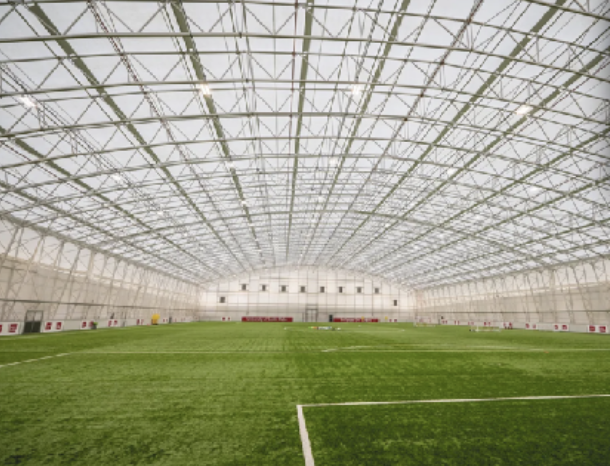
The facilities partnership with the University of South Wales provides another example of Gwalia refusing to compromise.
Players don’t simply arrive at training. They arrive at one of the strongest performance environments available within women’s football. Artificial surfaces. Indoor facilities. Strength and conditioning suites. Analysis classrooms. Protected training regardless of weather. Video review sessions. Classroom-based tactical education.
Travel
The investment doesn’t stop when the players leave the training ground. Away travel has become another statement of intent.
Through a partnership with Edwards Coaches, Gwalia players travel in the same professional coach used by the Wales Senior National Team. The club, and Edwards, describe this as part of a wider belief that female footballers should experience the same standards traditionally afforded to their male counterparts. Some may dismiss that as cosmetic. Gwalia doesn’t. It shows intent. Gwalia want to operate on the same level as the best.
Yet when it comes to the coaching and information aspect of Gwalia United, the club has an off-field team whose collective experience, expertise and success might rival that found anywhere in the women’s game. From Premier League football and international football to Olympic sport and championship-winning professional rugby, the club has assembled a medical, performance and coaching structure rarely found outside the very highest levels not just of the women’s game, but of sport.
Football Staff
Leading the football programme is Manager Cori Williams Mills, who enjoyed a remarkable introduction to management last season. Within just three months of taking charge, Cori received two FA Women’s National League Manager of the Month nominations, winning the award in March. A former Wales international and one of the country’s most respected football figures, Cori continues to shape the club’s identity through her extensive experience of elite performance and player development. Supporting Cori is an experienced coaching group that combines elite youth development with senior management experience. Keehlan Panayiotou, Lou Hutton, Jamie Lloyd Davies and Tom Davies will support Cori on the football coaching staff.
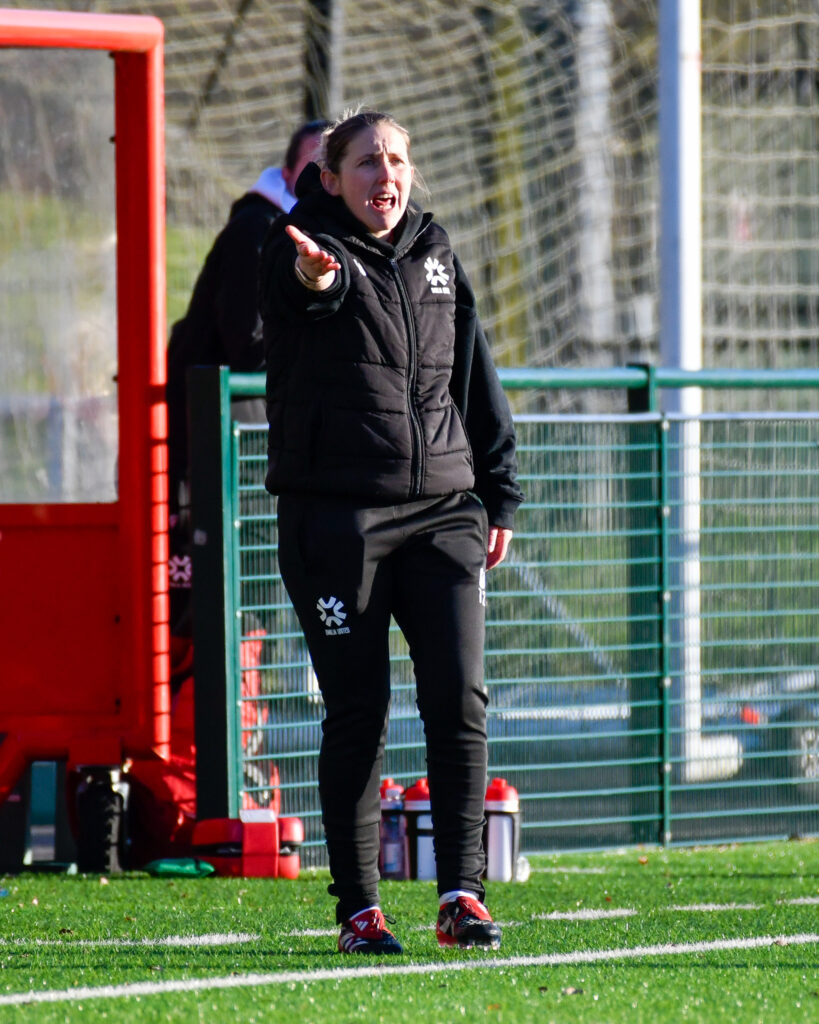
Keehlan Panayiotou spent four years as Assistant Manager at Swindon Town Women before moving to Bristol City, where he became Head Coach at u16s and Assistant Coach with the Under-21s. During this period he developed players who progressed into Bristol City’s senior side, as well as England Under-16s and Wales Under-17 and Under-19 teams. Alongside developing players, he also won the PGA u16s Cup showing an ability to develop and compete simultaneously.
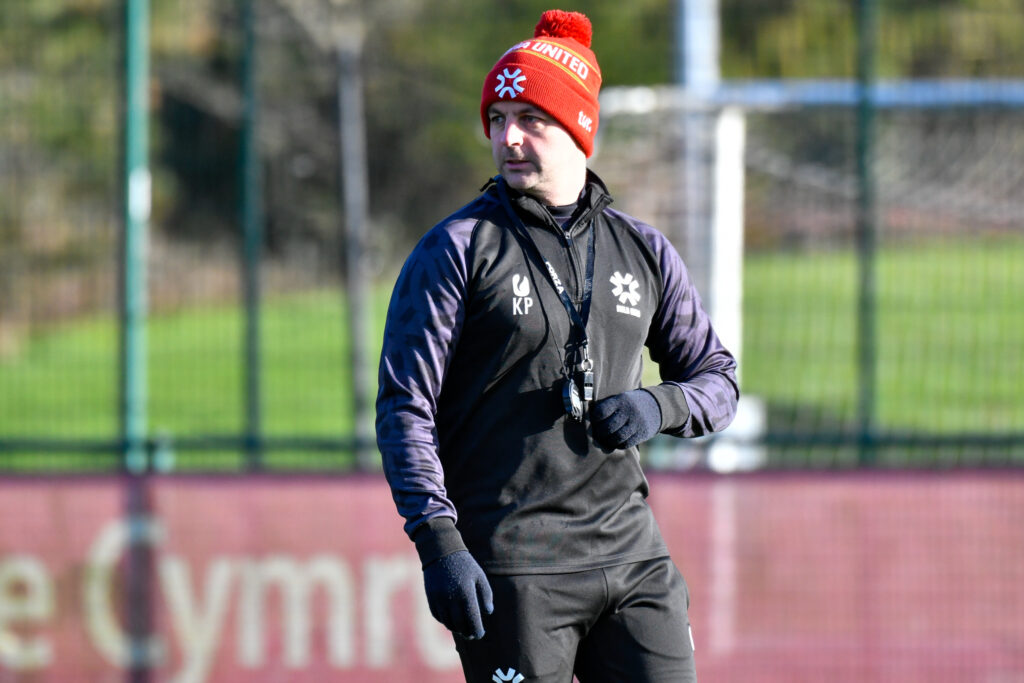
Lou Hutton is a former player-coach role at Cardiff City Ladies FC (now Gwalia United), whose career saw her join Yeovil Town Women as part of the coaching staff, helping the team achieve promotion to the Women’s Super League (WSL). Hutton has already seen the required developmental path to the higher levels of Women’s football in the UK and her experiences in doing so will be invaluable to coaches and players alike. Cori and her staff will continue to lean on Hutton’s expertise in this regard to support the team’s development and performance.
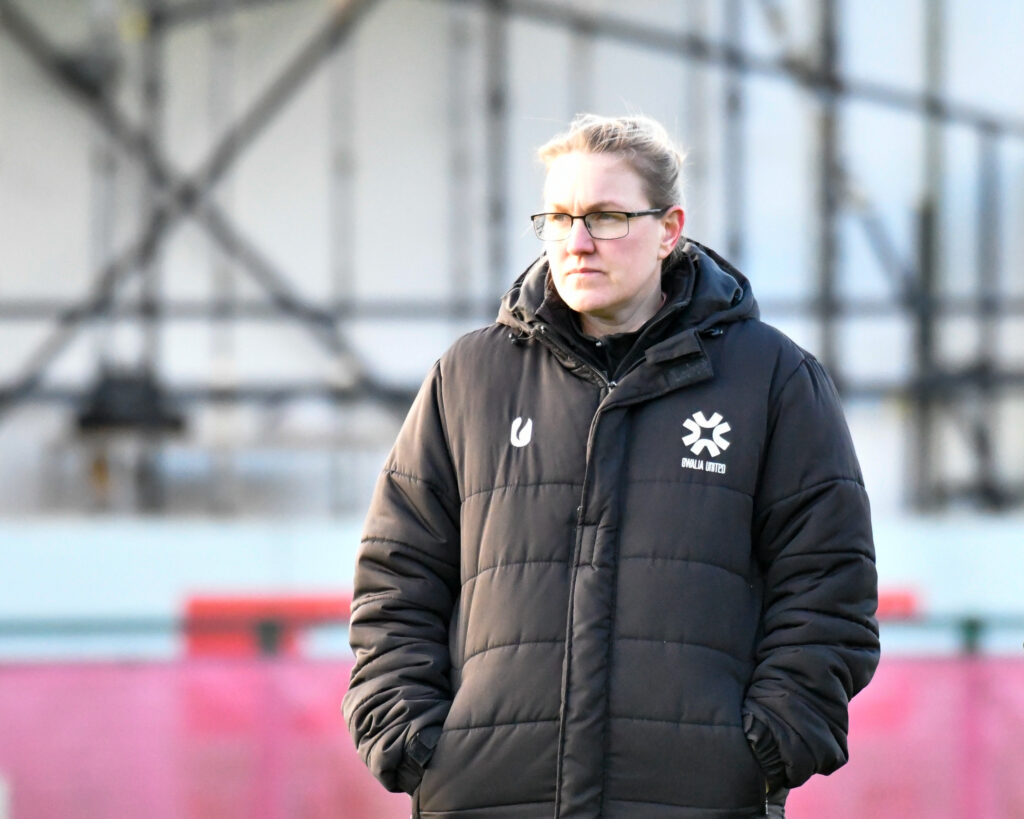
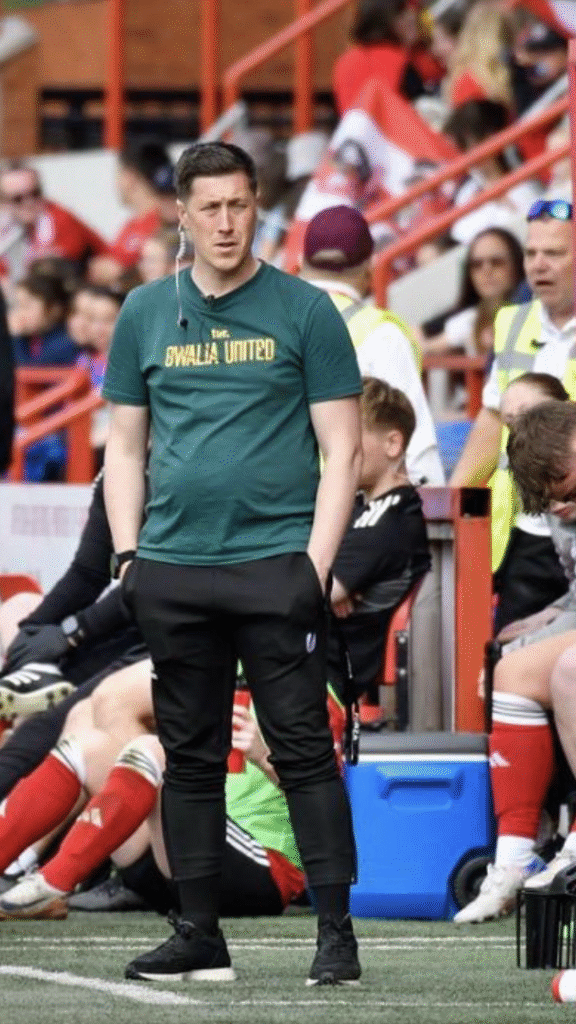
Jamie Lloyd Davies brings valuable senior management experience, having held both manager and assistant manager positions during his coaching career. His understanding of leading teams and supporting player development adds further depth to an already experienced technical staff and whose role supporting the Gwalia goalkeepers will be vital in developing and supporting players.
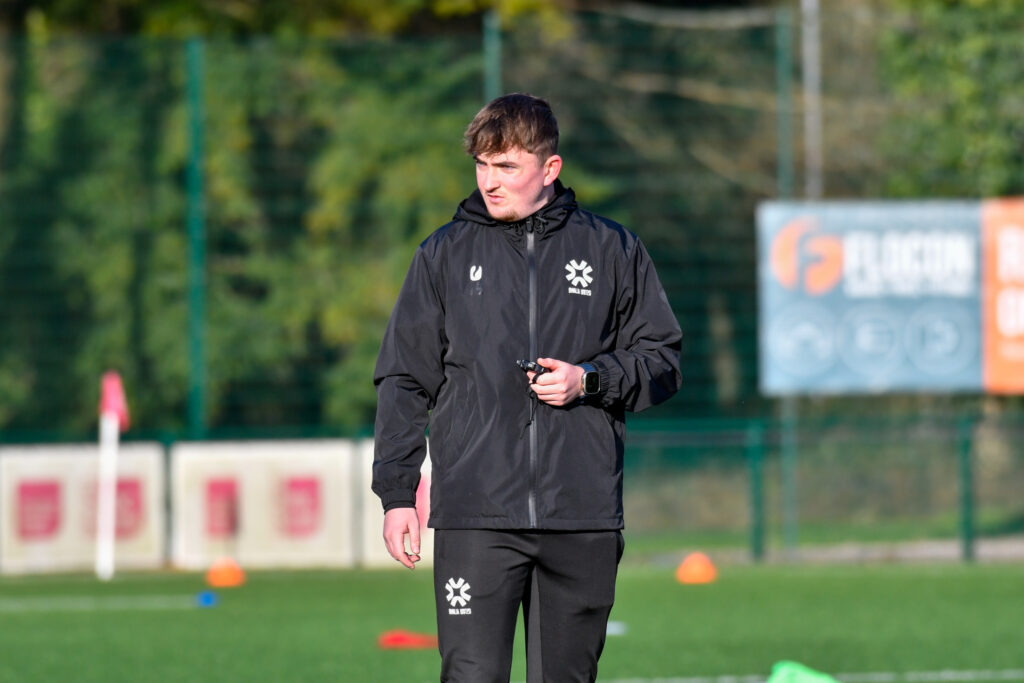
Tom Davies’s coaching journey has already seen him work within the Welsh national team set-up. Being one of the most exciting young coaches in Wales currently, Tom has coached with the Wales Under-17 and gained his UEFA B Licence by the age of just 22. Tom provides significant added value as his experience as an analyst at international standard brings a wider skillset to his coaching remit.
Medical and Performance
Overseeing the club’s medical provision is Head of Medical Adam Rattenberry, whose career has taken him from Premier League football with Cardiff City into elite athletics. Adam now works across British and Welsh Athletics, supporting some of the world’s leading athletes, including Olympic champion Keely Hodgkinson. Adam is widely acknowledged as one of the best physiotherapists in elite sport in the UK. His experience across multiple elite sporting environments places Gwalia’s medical expertise among the strongest among Women’s sport in the UK.
Working alongside Adam is Head Physiotherapist Meg Lewis, a qualified physiotherapist and former Wales international who has also competed in the FA Women’s National League. Meg combines clinical expertise with a genuine understanding of the physical demands placed upon elite footballers. Her unique perspective as both practitioner and player provides invaluable support throughout the season.
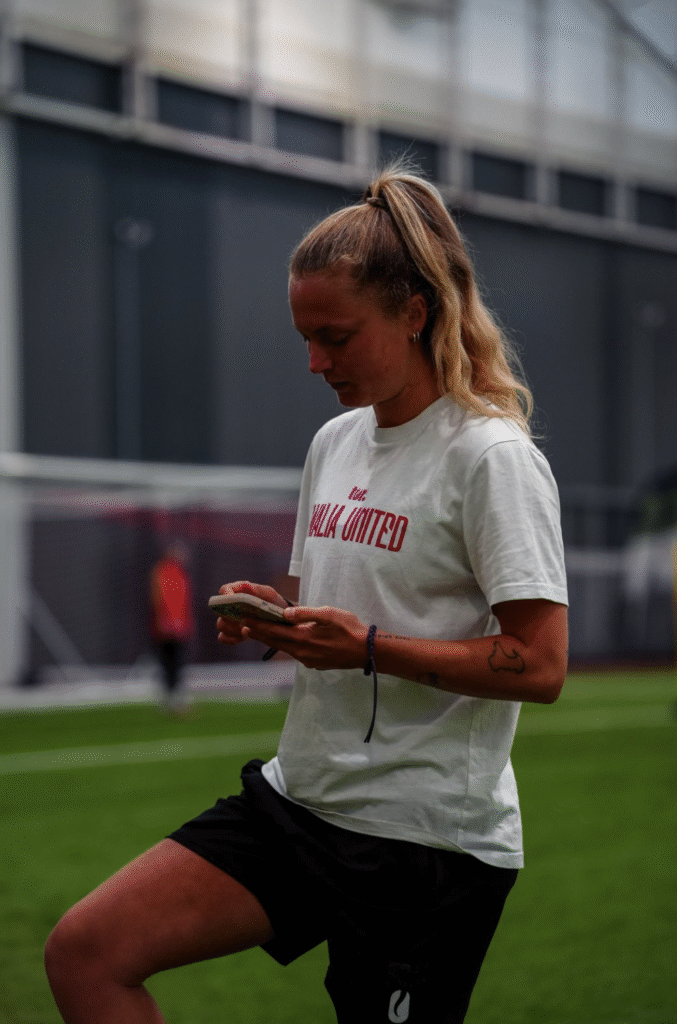
Credit: Ben Brain Photography
Returning for her second campaign is the popular and energetic Strength & Conditioning Coach Evie Charlesworth, whose work continues to strengthen the athletic development of the squad. Through Gwalia United’s close relationship with the University of South Wales Strength and Conditioning Programme, Evie delivers evidence-based training methods that ensure players benefit from contemporary sports science and performance practice.
Supporting and advising Evie will be General Manager Trystan Bevan, who in doing so will bring experience from league and European Cup-winning environments with Cardiff Rugby and Wasps. Widely known in Wales as a developer of elite sporting talent, Bevan has coached and developed more than 150 senior internationals, to British & Irish Lions and world-class level. He has also a broad network of elite individuals across the Premier League, WSL and international football having also delivered at senior Men’s backroom staff conferences for Liverpool FC, Manchester City and Chelsea over his career.
Why This Matters
Professional football clubs are rarely transformed by one marquee signing, one inspirational coach or one successful season. They are transformed by hundreds of decisions that, taken individually, can appear almost insignificant, but together create an environment where success becomes more likely.
That is what Gwalia United has quietly been building.
So if you find yourself wondering why two owners with backgrounds in Premier League football and one of the world’s most successful technology companies would choose to invest their time, energy and resources into a club playing in the fourth tier of the women’s game, perhaps the answer is already there for anyone willing to look beyond the league table.
Technology start-ups are not judged by what they look like in year one to three. Elite football organisations are not built in a single season. Both are built by creating systems, attracting exceptional people and making long-term decisions that compound over time.
Over the past twelve months, supporters have begun to see glimpses of that vision on the pitch. The style of play, the standards, the professionalism and the ambition are all working away in the background.
What Gwalia supporters have witnessed so far is unlikely to represent the finished product.
It may simply be the beginning.