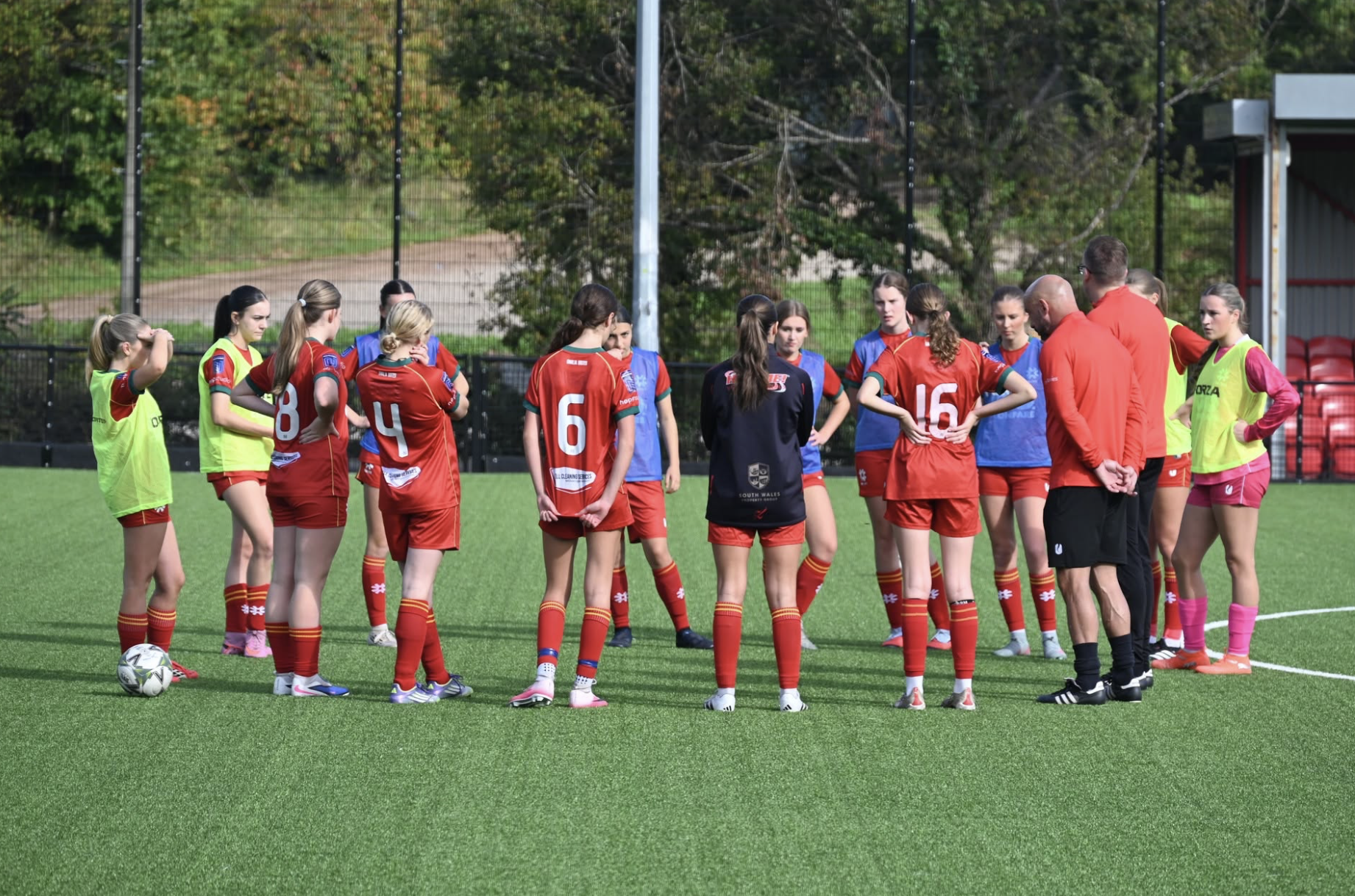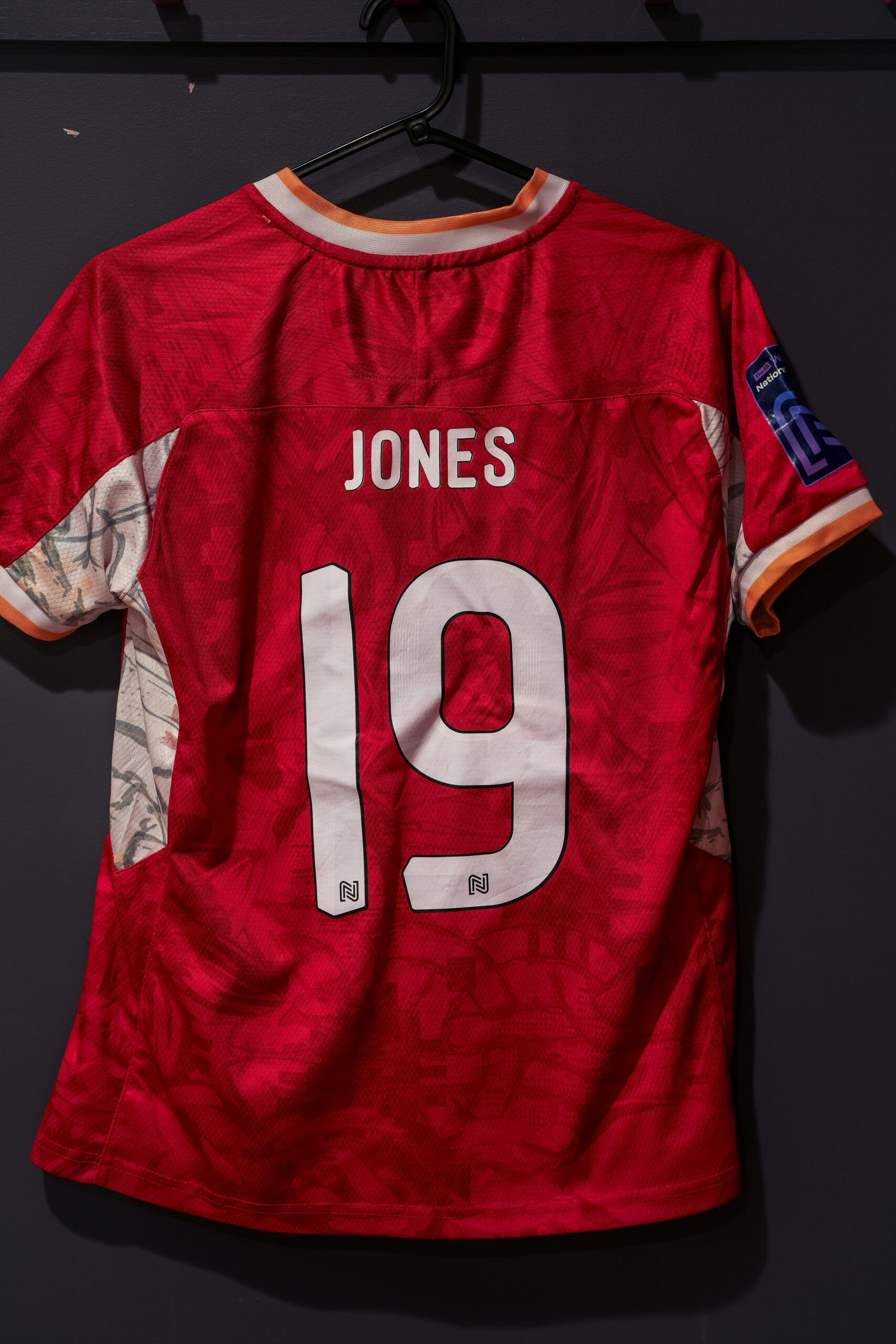
Gwalia’s average squad age these days is more than a statistic. It is a somewhat eyebrow-raising figure which reflects the club’s ambition, intent and development. A recent fixture in the FAWNL saw Gwalia finish the game with an average age profile of 19 years and 7 months.
This week, Gwalia United were drawn against Arsenal PGA in the FA Women’s National League Plate. While this label of PGA may suggest a significant age gap, Gwalia’s team which plays in the senior women’s FA football league might well be fielding a younger starting line-up than their opponents. Arsenal have been exceptionally strong at this level for a while, and have shown a capacity for not only blooding young players into their senior team but also featuring senior players into their PGA team.
While the PGA system of WSL clubs are there to develop a pathway for young players, Gwalia seemingly is spinning plates and doing both: Developing and Competing.
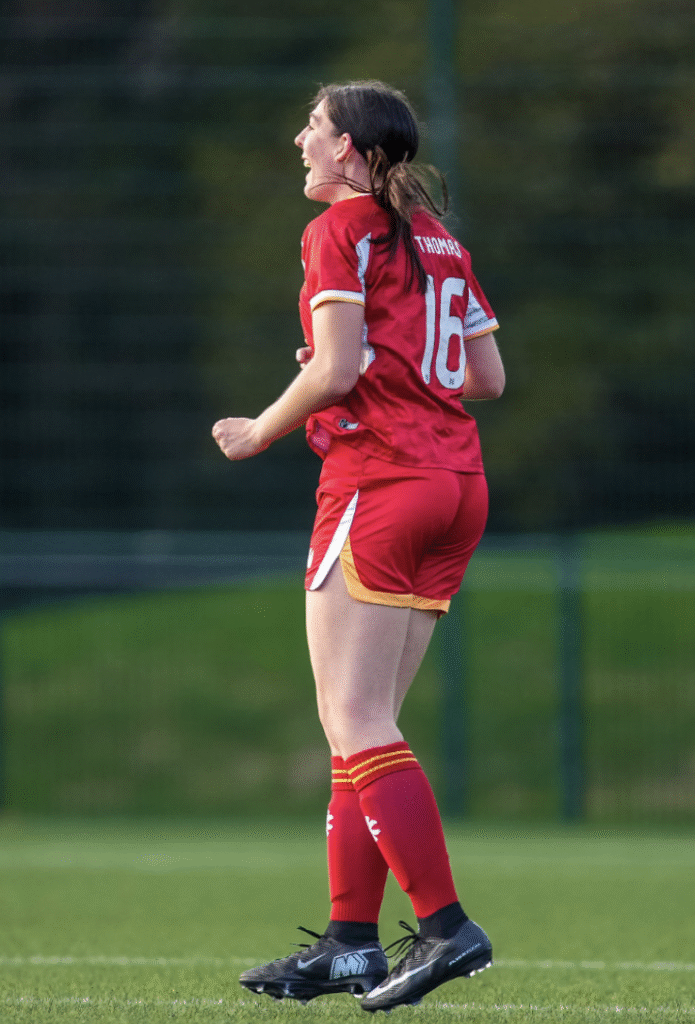
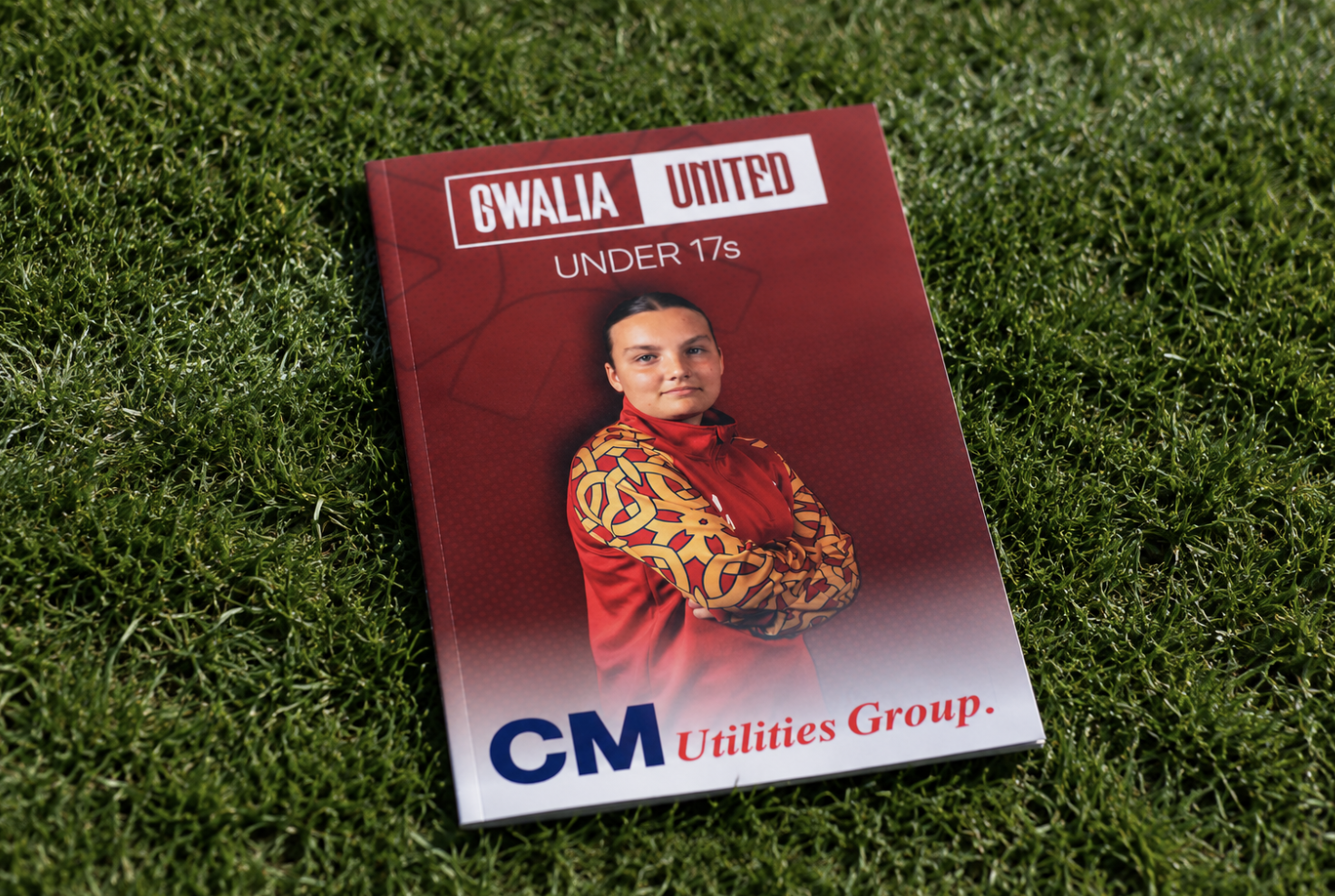
Talent development is often misunderstood. It is not about making the route to senior football as easy as possible. It is about creating an environment where the challenge is demanding and the support is strong enough to help players meet it. Emma Thomas (pictured above) captured that blend of potential and readiness. Her goal against Yate in the FA Cup was a spectacular strike, but her progress is about more than one moment. Only 17 months into her senior career, she already looks at home at FAWNL level. The next step is not simply to praise her promise; it is to keep giving her the challenges and support that help her turn promise into consistent performance. That idea is increasingly central to Gwalia United. The club wants to take its team as high as possible, and developing players is an important part of that ambition. The two ambitions belong together: a demanding senior team can be a proving ground, while the progress of its players can strengthen the team itself.
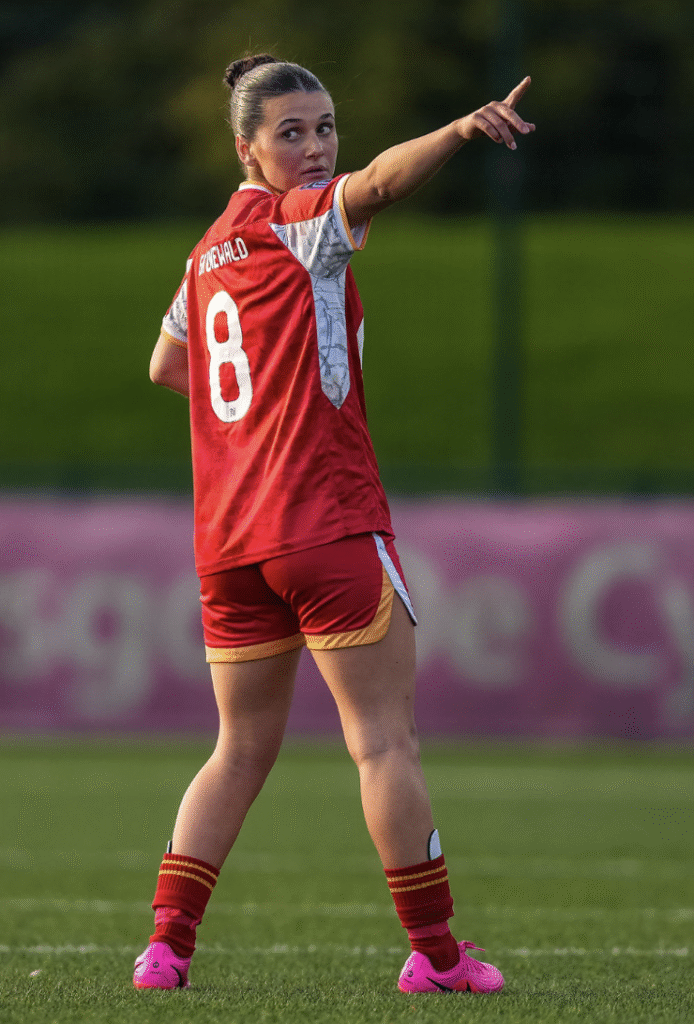
Gwalia’s history already includes bringing through players such as Jess Fishlock, Sophie Ingle and Gwennan Harries. That legacy is only a prologue. The more compelling question is what the present group can become. The evidence is visible in the current squad. Two Gwalia players are now members of Wales’ under-19 set-up; last year, three players were involved. Casi Gregson, who began her senior women’s career at Gwalia just 24 months ago, has just been capped by the Wales senior side. Elena Cole, now with AFC Bournemouth, has also featured in a senior camp. This year’s examples include Summer Evans and Anya Grunewald (pictured, below). Both have stepped into the deep end of FAWNL football with Gwalia.
Ask anyone involved at the sharp elite end of any Talent Identification and Development model, and they will reinforce a fact that the experience of such an adjustment is demanding by design. The ‘rocky road’ to success should involve challenges, problems to solve and a bar that is high on purpose. Senior sport asks young players to make decisions under pressure, recover quickly from mistakes and compete against experienced opponents. A player may thrive immediately, or may need time to find her footing. Either way, the learning comes from being trusted with a meaningful role and supported through the difficult parts.
Gwalia’s owners, Damien Singh and Julian Jenkins, have made that ambition a significant part of the club’s identity. Their aim is to raise the standards around the women’s team, including its resources, facilities, expertise and analysis. The comparison with any men’s side, albeit commonplace in women’s sport, is not simply about matching a number or copying a structure. It is about taking the women’s programme seriously enough to examine what players need, invest in the environment and keep improving the quality of the work. Both have been in business and in sport for decades and both have built very successful organisations from the ground up, and Gwalia hope to benefit from this as usually the best predictor of future performance is past performance. Therefore, having the theme of developing people may take time but both their respective CVs would suggest that they are the right people to be at the helm. Jenkins’ experience at Cardiff City during their time in the Premier League is relevant here. Investment in a football operation does not guarantee an instant turnaround. Building standards and capability takes time, and progress can be uneven.
Where Gwalia are now – in Tier 4 of the Women’s Pyramid – proves that. Last season’s relegation certainly was not part of the club’s plan. Despite the fact five teams could have gone down (Gwalia – remarkably, could even have finished seventh on the final day) but over a full season, the table tells a clear story. The league table rarely lies. However this relegation shows why challenge matters in player development. No less than four players from that relegated squad have since either joined Wales’ under-23 set-up or reached the international scene. That is a real achievement for them, but also is a clear signpost for the rising standards of the FAWNL, since even at Tier 3 (the equivalent of Men’s League One) the standard proved a stern challenge for international quality players. The perfect breeding ground for gaining experience, if you will.
The club’s task is to keep making that progress sustainable. Ambition needs resources, but it also needs patience. Young players need chances, but those chances must come with standards and guidance. And a development programme cannot be measured by age alone: it must be judged by whether players are improving, whether the team is competing and whether individuals are prepared for the next challenge. Gwalia’s younger players are already giving that process a human face. Defender Megan Bible, who is Welsh-qualified, has impressed with her appearances and performances this season. If she continues at this level, she is likely to attract more attention. Elin Thomas is also showing the attitude and capability required to progress.
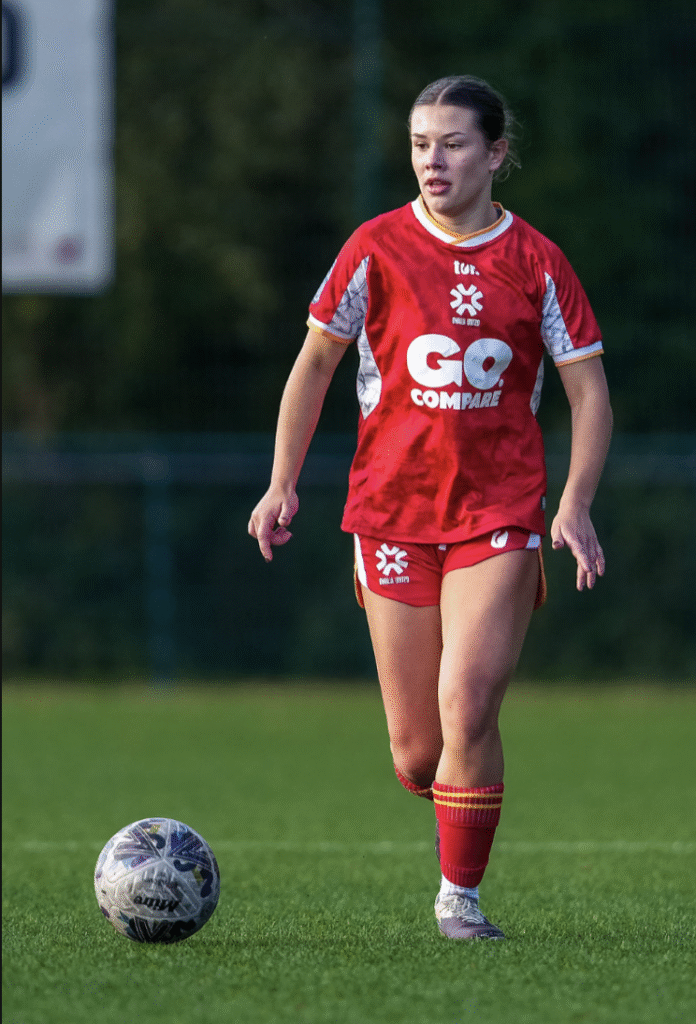
Even players who might seem established within such a young group are still early in their careers. Imi Scourfield is 20; Callie Jones (above) is only 19! Both are building their senior appearance counts, learning the demands of regular football while still having plenty of development ahead of them. Gwalia United’s reason for being is to take its team as high as it can. Developing players is not a distraction from that goal; it is one of the ways the club intends to reach it. The players coming through now are making the future look bright, not because their path will be easy, but because they are already being asked to meet the real demands of senior football. The next generation will learn from what goes right and what goes wrong. At Gwalia, they are getting the opportunity to do both- and the support to turn those experiences into progress.